
U.S. Raises Tariffs on South Korea to 25%: What Your Business Needs to Know Now
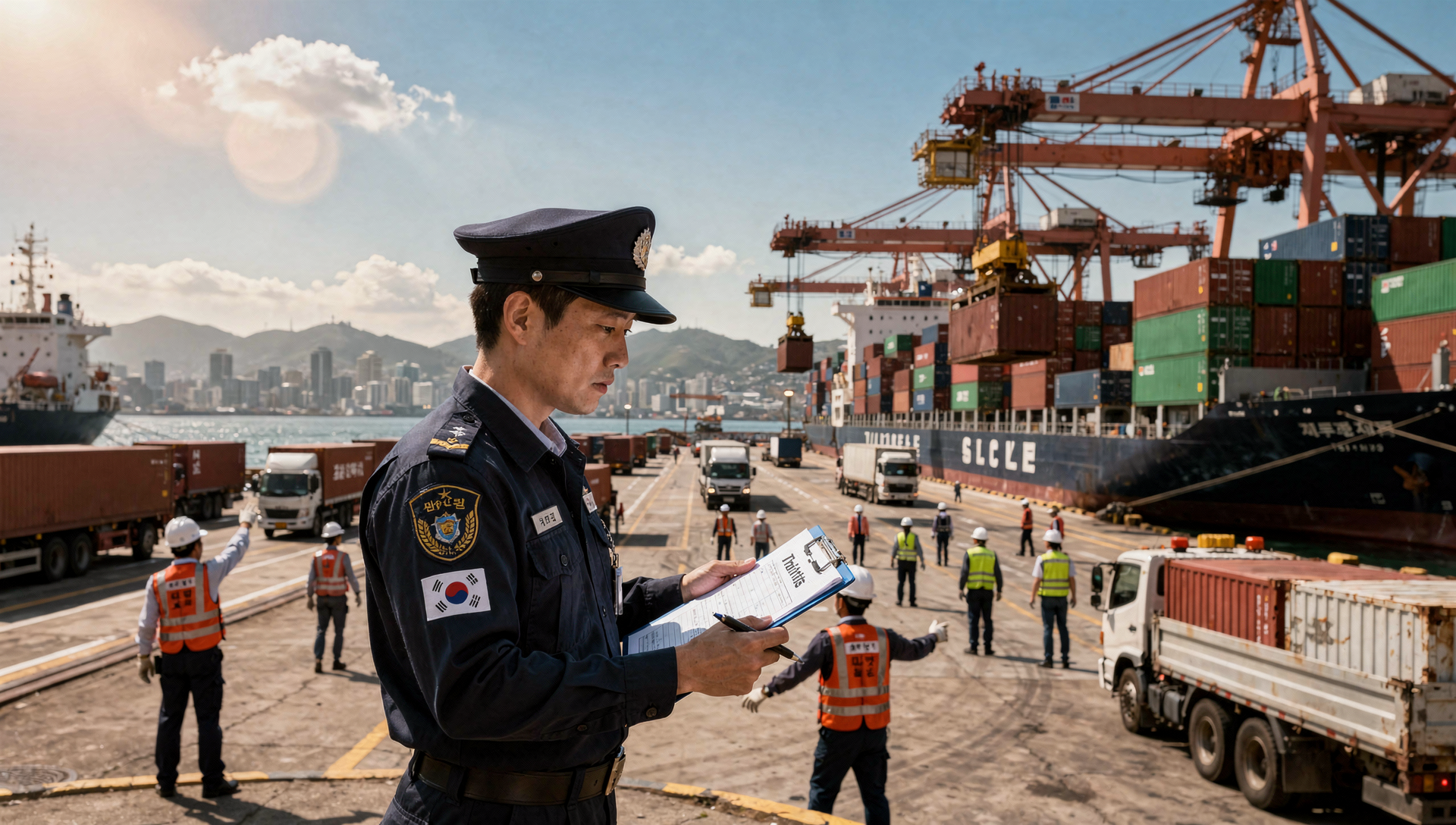
The landscape of international trade continues to evolve rapidly, underscoring the inherent volatility of global economic policy. In a major development with broad commercial implications, the U.S. federal government has announced a substantial increase in tariffs on select imported goods from the Republic of Korea (South Korea), raising duties from 15% to 25% on certain product categories. This shift represents one of the more significant tariff adjustments affecting U.S.–Korea trade in recent years and carries immediate operational and strategic consequences for a wide range of U.S. businesses.
This alert summarizes the key elements of the tariff change, analyzes its potential impact on supply chains and cost structures, and outlines actionable steps companies should take now to mitigate risk.
A Significant Tariff Increase: What Changed?
The tariff rate applicable to certain South Korean imports has risen from 15% to 25%, reflecting a 10-percentage-point increase. On a relative basis, this change amounts to approximately a 67% increase in the effective duty rate for affected products.
While the administration has publicly linked the adjustment to unresolved trade negotiations, the practical effect for U.S. businesses is immediate — increased landed costs for imports within the specified tariff lines, tighter margins for resellers, and heightened complexity in supply chain planning.
Who Is Directly Affected?
The tariff increase applies to specific categories of imported goods rather than all imports from South Korea. Businesses that import the following categories should evaluate their exposure carefully:
Automotive products (e.g., finished vehicles and certain auto parts)
Lumber and wood products
Pharmaceuticals and related chemical intermediates
While these categories are high-impact, companies with broader Korean sourcing should review their full tariff schedules, as ripple effects may occur through supply chains and tariff classification changes.
Key question for importers:
Are your products classified under the affected tariff codes?
Customs classifications drive duty treatment, so accurate HS classification is critical.
Why This Matters: Cost, Compliance, and Competitive Position
1. Increased Cost of Goods Sold (COGS)
A 25% tariff is a material expense. For importers who historically operated on tight margins, absorbing or passing through this increase will require careful pricing analysis and, where appropriate, contract renegotiation with customers and suppliers.
2. Supply Chain Disruption and Strategic Sourcing
Companies with long-standing supply relationships in South Korea now face a strategic decision:
Absorb the tariff costs and maintain current sourcing
Reshore or diversify into alternative supply bases
Pursue tariff mitigation strategies (e.g., duty deferral or free trade zone utilization)
Each option carries trade-offs in cost, lead time, quality, and compliance risk.
3. Customs Compliance and Reporting
Tariff changes require updates to internal customs documentation, cost accounting systems, and compliance protocols. Incorrect duty assessment — even unintentional — can expose companies to enforcement actions, penalties, or back duties.
The Policy Rationale (and What It Means for Business)
According to official statements from the executive branch, the tariff increase is aimed at prompting renewed action in bilateral trade negotiations that, in government characterization, have not progressed according to prior understandings. While political and diplomatic considerations often drive trade policy, the immediate consequences for businesses are economic and procedural.
This development illustrates a broader dynamic in global commerce: trade policy can shift rapidly and with limited lead time, even between longstanding economic partners. Companies that depend on imported inputs must integrate real-time policy monitoring into risk management frameworks.
Immediate Actions Your Business Should Take
To adapt to this change and minimize disruption, businesses that import from South Korea should consider urgently pursuing the following:
1. Conduct a Tariff Exposure Assessment
Identify all products sourced from South Korea
Confirm Harmonized System (HS) classifications
Quantify duty liability under the new 25% rate
2. Revisit Cost Structures and Pricing Models
Determine whether tariff costs can be absorbed or must be passed through
Conduct scenario analysis under different sourcing assumptions
3. Evaluate Supply Chain Alternatives
Assess supplier options in other geographies
Model the cost and timeframe of switching sources
Engage procurement and operations teams for strategic planning
4. Review Customs and Compliance Processes
Update customs filings and internal SOPs
Train staff on tariff changes and classification accuracy
Explore duty mitigation mechanisms (e.g., bonded warehouses, FTZs)
5. Engage Legal and Trade Advisors
Expert counsel can provide:
Policy interpretation tailored to your tariff lines
Identification of potential exclusions or exemptions
Advice on strategic trade compliance
Looking Forward: Are Further Changes Likely?
Trade relations between the U.S. and South Korea have historically been complex and multifaceted. This tariff shift is one of several tools policymakers may use in pursuit of broader negotiation objectives. Businesses should prepare for further adjustments, both in tariff schedules and in non-tariff measures such as quotas, licensing requirements, or customs enforcement intensification.
Conclusion
The increase in tariffs on South Korean imports from 15% to 25% marks a substantial change in U.S. trade policy with direct implications for cost, supply chain planning, and compliance. For U.S. businesses that depend on these imports, the time to act is now.
Need help assessing the impact of South Korea imports, updating compliance, or creating a mitigation plan? Click the button below to schedule a tailored consultation.